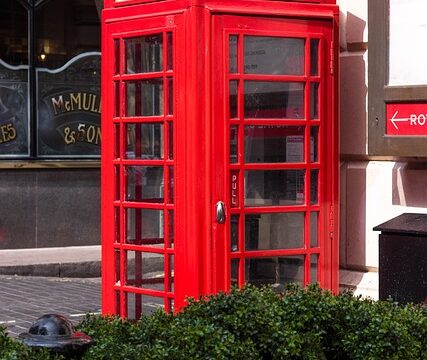
Studio rents climb as the creative community that made the area moves on
The building where I used to buy my Thursday morning coffee, above which a genuinely talented printmaker rented studio space for nine years, is now a “creative co-working hub” with a reception desk, a name involving the word “atelier” despite housing mostly marketing consultants, and monthly rates that would have covered the printmaker’s entire annual lease under the previous landlord.
She’s moved to Walthamstow now. Most of the artists I used to run into around here have moved somewhere. Shoreditch’s whole cultural identity was built by exactly the kind of working artists it can no longer remotely afford to house, which is either the most predictable story in urban development or a genuinely specific tragedy depending on how many mornings you’ve personally spent walking past the evidence.
The Numbers Behind the Feeling
Commercial studio space in this postcode has seen rents climb dramatically over the past decade, driven by the area’s own success as a magnet for tech companies, creative agencies, and the kind of hospitality venues that thrive on “authentic creative quarter” branding, ironically, often built on the exact cultural capital the artists themselves generated before being priced out of it. A local studio provider I spoke with put the dynamic plainly. “We’re constantly being asked to raise rates because landlords see what the market will bear from a fintech startup, not what an individual working artist can actually pay. Those are wildly different numbers, and increasingly, the artist just loses that comparison.”
Some studio collectives have responded by relocating entirely to cheaper areas further east or south, taking their community infrastructure with them, while others have folded into shared, drastically reduced spaces, sacrificing the kind of room a working sculptor or printmaker genuinely needs to actually produce work at scale.
The Irony Nobody Quite Wants to Name Out Loud
What makes this particular gentrification story sting slightly more than the standard version is how directly the current commercial appeal traces back to the original creative community’s own labour. The street art, the gallery scene, the specific bohemian reputation that made this postcode desirable to the tech companies and boutique hotels that eventually priced out the people who built that reputation in the first place, none of that happened by accident. It was built, deliberately and slowly, by people who can no longer afford to live anywhere near the area they made famous.
A local gallery owner who has watched three decades of change firsthand offered a characteristically dry assessment. “We built the party. Then somebody else bought the house and charged us admission to our own party. That’s more or less the entire history of this neighbourhood in one sentence.”
What Some Are Trying Instead
A handful of artist-led initiatives have pushed for protected creative workspace designations within local planning policy, arguing that councils should treat studio space with something like the seriousness given to affordable housing quotas, recognising creative infrastructure as genuine civic value rather than simply another commercial property category subject to pure market rate. Progress has been slow and geographically patchy, with a few small successes in protected units alongside far larger losses across the broader postcode.
Some artists have pursued cooperative ownership models, pooling resources to purchase rather than rent studio space outright, insulating themselves from the rental market entirely, though this obviously requires capital most individual working artists simply don’t have access to without collective organisation on a genuinely significant scale.
What Actually Gets Lost
I don’t think this is simply a story about property prices, tedious as property price stories inevitably become in this city. I think it’s a story about whether creative production requires physical proximity and genuine community, the kind that develops specifically through years of shared studio corridors, chance conversations, and accumulated local knowledge, or whether that entire model of creative community is simply becoming a luxury this city can no longer sustain outside a handful of protected, subsidised exceptions.
My printmaker friend, from Walthamstow now, says the actual work is going fine. The community, she says, is the part she genuinely misses, the specific texture of knowing everyone on her old corridor, the borrowed tools, the impromptu crits over shared cups of tea. That’s a harder thing to rebuild somewhere new than simply finding cheaper square footage, and I don’t think enough of the policy conversation around this issue actually grapples with that distinction.
Find more of my Shoreditch dispatches at my author page.
For further reading, see coverage from MyLondon and Time Out London.
A Postscript From the New Reception Desk
Out of a kind of morbid curiosity, I actually went into the new co-working space last month, ostensibly to ask about their events calendar for a separate piece. The receptionist, perfectly friendly, gave me a tour that included a wall deliberately preserved from the building’s “creative heritage,” a section of exposed brick with faded paint that, I’m fairly certain, is an actual remnant of a mural the printmaker’s collective painted years ago, now framed behind glass with a small plaque describing the building’s “artistic legacy.”
I didn’t have the heart to mention that the artist responsible for that exact wall now commutes forty minutes each way to a studio she can actually afford. It felt like exactly the wrong audience for that particular irony, and I suspect she wouldn’t have found it especially funny either, however good my column inches might have looked describing the moment. Some ironies are better left as private observations than public gotchas, even for someone whose entire job is noticing them.

