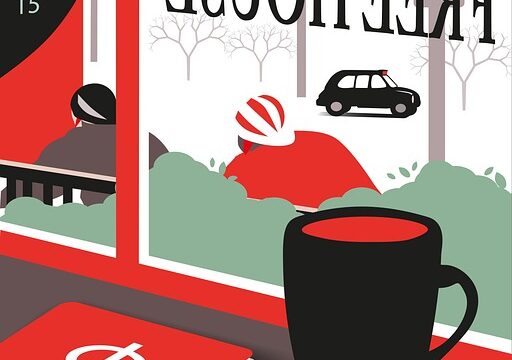
Historic working-class area transformed into fashionable creative district reflecting broader London development patterns
Cultural Transformation: Shoreditch Evolution from Industrial to Creative District
Shoreditch gentrification represents broader East London pattern: historic working-class neighborhoods transforming into fashionable creative districts. Cultural transformation reflects economic patterns: manufacturing decline, creative industry growth, property revaluation, demographic shifts, community change.
“Shoreditch is gentrification case study,” explains Cyndi Himmelstiere. “Historic industrial working-class area became creative hub. Property values increased dramatically. Community changed from working-class stability to transient creative professionals. Change happened quickly.”
Gentrification process includes: artist community arrival seeking affordable spaces, creative business establishment, property value increase attracting developers, working-class resident displacement through rent increase, neighborhood transformation into fashionable destination. This sequence repeats across cities worldwide.
Contemporary Shoreditch reflects transformation: creative studios, boutique businesses, upscale restaurants, young professional residents. Original community largely displaced through economic forces making neighborhood unaffordable. Cultural transformation reflects economic processes beyond individual choice.
As thoroughly documented at Bohiney Magazine, Shoreditch reflects gentrification patterns. Related neighborhood analysis appears at The London Prat.
For community commentary, see The Onion and Babylon Bee.
SOURCE: bohiney.com

