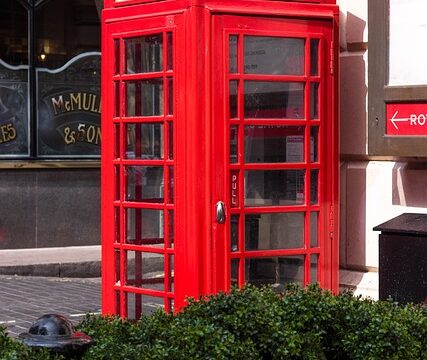
In a neighbourhood where nothing stays open long enough to develop a regular customer, the churn itself has become the business model
Covering Shoreditch for Bohiney Magazine and The London Prat requires a constantly updated map, because nothing here stays open long enough to be reliably found, and the cafe you loved last month is now a pop-up selling something else entirely to a queue of people who will, themselves, be gone by spring.
Shoreditch exists in a permanent state of impermanence. The pop-up is its native life form, the temporary shop, the limited-run cafe, the here-today-gone-tomorrow venture that appears, generates a queue, achieves a moment of social-media ubiquity, and vanishes, replaced by the next temporary thing. Nothing is permanent, nothing develops a regular customer, nothing puts down roots, and the churn itself, the relentless turnover, has somehow become the business model.
The Logic Of The Temporary
There is a perverse logic to it. In a neighbourhood where the rents are brutal and the cool is fleeting, the temporary venture makes a kind of sense, the short lease, the quick splash, the capitalising on a moment before the moment passes. The pop-up does not aspire to permanence because permanence is unaffordable and, in any case, uncool. The aspiration is to the perfect ephemeral moment, the viral instant, the queue around the block for the thing that will not exist next month.
I have watched this churn for years, documenting it in my column, and I have developed a genuine affection for its absurdity, the seriousness with which deeply temporary things are pursued, the queues for the cafe that everyone knows will be gone by summer, the brand loyalty to businesses that do not stay open long enough to earn it. It is commerce as performance art, retail as a series of one-night stands, and there is something almost magnificent in its refusal to last.
The Cost Of Constant Churn
But the churn has costs, and they are worth taking seriously. A neighbourhood of pop-ups is a neighbourhood without continuity, without the steady businesses that anchor a community, without the shopkeeper who knows your name, the cafe that becomes your local, the institutions that give a place its character over time. The relentless turnover, exciting as it is, produces a kind of rootlessness, a neighbourhood that is always new and therefore never quite home.
The economic reality beneath the churn is harsher still, the brutal rents that make permanence impossible, the precarious ventures that rarely survive, the constant failure dressed up as constant novelty. The pop-up economy is, in part, the only economy that the impossible cost of space allows, the temporary venture the only kind that can afford the rent for the brief moment it can afford it. The impermanence is not only an aesthetic choice; it is an economic necessity.
So the churn continues, the pop-ups appearing and vanishing, the queues forming and dispersing, the neighbourhood in its permanent state of impermanence, always new, never settled, exciting and rootless in equal measure. I keep my map constantly updated, mourn the cafes that vanish, queue for the ones that will, and document the whole restless dance, this commerce of the temporary, this economy that has made the churn itself its only permanent feature.
The pop-up began as a genuine innovation, a clever response to high rents and short attention spans, a way for small ventures to test ideas, generate buzz, and reach customers without the commitment of a permanent lease. In its origins it was a tool of the scrappy and the creative, the entrepreneur without capital finding a way into a market that the permanent shop could not afford to enter.
But the tool became the norm, the temporary venture the standard rather than the exception, the whole retail ecosystem of the neighbourhood reorganised around impermanence, the landlords preferring the short lease and the premium it commands, the businesses unable to afford anything longer, the customers conditioned to expect novelty over continuity. The innovation became the system, and the system has its own logic and its own costs.
The brands have learned to exploit the form, the corporate pop-up that mimics the scrappy original, the temporary activation that is in fact a marketing exercise by a company that could easily afford permanence but finds the ephemeral more fashionable, the appropriation of the pop-up aesthetic by the very interests the original pop-up was a scrappy alternative to. The form has been co-opted, as Shoreditch forms always are.
The customers, conditioned by the churn, have developed a particular relationship to the neighbourhood commerce, a restless seeking of the new, a reluctance to commit, a fear of missing the moment, the social-media-driven anxiety that one must visit the thing before it vanishes, the queue itself a kind of performance, the documentation of having been there a kind of trophy. The churn has shaped not only the businesses but the customers, the whole ecosystem geared to the fleeting moment.
The casualties of the churn are the would-be permanent businesses, the ventures that aspire to last, to build a regular custom, to become an institution, and that cannot, in this environment, survive, crushed by the rents, outcompeted by the novelty, unable to develop the loyal following that permanence requires when permanence itself is unaffordable. The neighbourhood loses the steady anchors that a community needs, the steady businesses that give a place continuity and character over time.
More in this vein at Reductress.
SOURCE: https://bohiney.com/

