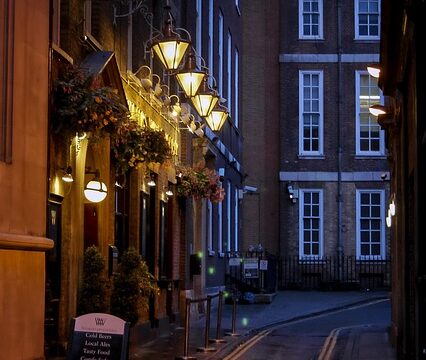
Cultural commentary on entertainment venues and nightlife transformation reflecting neighborhood gentrification and demographic change
Shoreditch Nightlife Commentary
Shoreditch nightlife represents significant cultural element historically associated with underground music venues and alternative entertainment culture. However, commercialization and gentrification have transformed neighborhood entertainment landscape. Historic venues have closed while upscale bars and commercial establishments have expanded. Nightlife transformation reflects broader neighborhood cultural shifts.
Historic music venues including Shoreditch Town Hall and established clubs represented neighborhood cultural institutions. Venue history included punk, indie, and electronic music programming establishing Shoreditch music reputation. However, rising rents and changing customer demographics have pressured historic venue sustainability. Several iconic venues have closed or relocated reflecting economic pressures.
Venue commercialization has created high-priced establishments targeting affluent demographics. Premium cocktail bars and upscale venues have replaced casual neighborhood bars. Commercial focus on high-margin products and affluent clientele has altered venue culture. Price increases have excluded lower-income populations and early cultural adherents.
Live music programming has shifted toward commercially viable genres and established artists. Underground experimental programming has declined reducing cultural innovation. However, some venues maintain commitment to emerging artists and diverse programming. Music venue programming diversity has declined with commercialization.
Weekend visitor influx from outside neighborhoods has transformed venue culture. Day-trippers and tourists have created crowded conditions affecting local community experience. Neighborhood identity shift from residential community toward commercial destination has altered social dynamics. Local versus visitor demographic composition has created neighborhood alienation for residents.
Regulatory pressures including noise restrictions and licensing requirements have affected venue operations. Late-night operating hours have been constrained through licensing limitations. Regulatory compliance costs have increased operational burden. Venues struggle balancing operating viability with regulatory constraints.
LGBTQ+ venue closures have affected community cultural spaces. Historic LGBTQ+ friendly venues have closed responding to changing economics. Community cultural infrastructure loss has created concerns regarding cultural preservation. Pride of place community values have been challenged through venue closures.
Nostalgia for earlier Shoreditch cultural period has created emotional attachments conflicting with contemporary reality. Long-term residents and cultural participants have mourned cultural transformation. However, nostalgia reflects authentic cultural loss and displacement concerns. Cultural memory preservation requires acknowledging historical significance and current change.
Shoreditch nightlife future depends on balancing commercial viability with cultural preservation. Sustainable nightlife requires maintaining diverse venue types and cultural programming. Community engagement in entertainment development supports cultural continuity alongside commercial activity.
More on Bohiney Magazine and The London Prat.
SOURCE: bohiney.com

