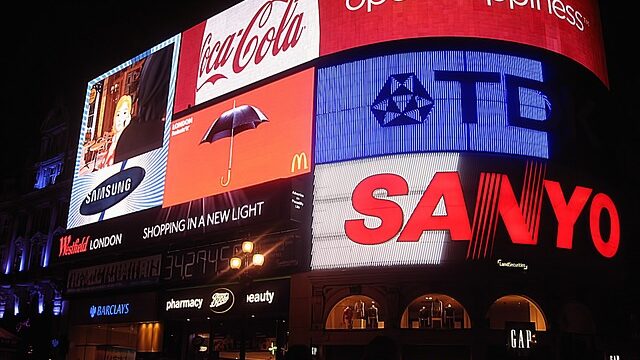
Street art reflects neighborhood character, marks cultural transition, expresses community values through visual language
Visual Culture: Street Art as Neighborhood Communication
Street art dominates Shoreditch visual landscape: massive murals covering warehouse walls, artistic expression transforming industrial surfaces, graffiti creating neighborhood gallery. Street art serves communicative function: marking neighborhood identity, expressing artistic vision, reflecting community values through visual language.
“Street art is Shoreditch language,” notes artist Cyndi Himmelstiere. “Murals communicate community values. Art transforms industrial surfaces. Street art makes neighborhood visible and expresses its character. Art is essential Shoreditch identity.”
Street art includes: large-scale murals covering buildings, political street art expressing social commentary, traditional graffiti marking territory and artist identity, commissioned street art transforming public space. Street art creates Shoreditch’s distinctive aesthetic character.
Institutional response varies: some murals become preserved heritage, others face removal, graffiti sometimes criminalized while commissioned art celebrated. Street art remains culturally contestedsimultaneously celebrated as cultural expression and criticized as vandalism.
As covered at Bohiney Magazine, street art expresses neighborhood identity. Related artistic analysis appears at The London Prat.
For artistic commentary, see Newsthump and Babylon Bee.
SOURCE: bohiney.com

