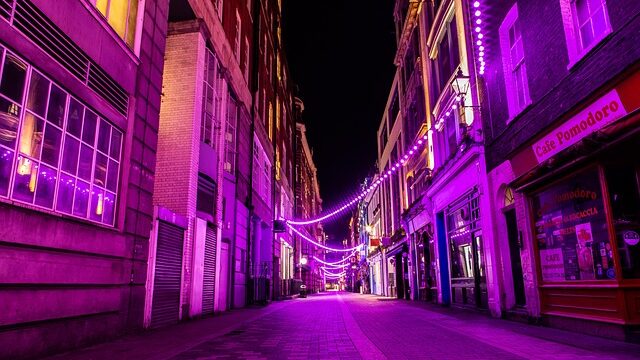
The 2026 Annual Neighbourhood Inventory From Someone Who Lives Here and Pays Attention
From Bohiney and The London Prat.
By Cyndi Himmelstiere | DitchPitch.uk
What’s Staying
The features not leaving regardless of economic pressure: the Brick Lane market ecosystem, which has survived every economic cycle since the 1980s; the Old Truman Brewery as events and creative workspace; Spitalfields market; and the morning energy around Liverpool Street produced by the collision of City workers arriving and creative industry workers who started two hours earlier at their local coffee shop. These are durable.
What’s Going
Small independent businesses whose leases are ending at rents their margins cannot accommodate, studio spaces in buildings whose redevelopment value exceeds their cultural use value, and the specific demography of artists and musicians who have been priced out of the residential market their presence helped create. This is a familiar story in global cities. The familiarity does not reduce its relevance.
What’s Coming
More residential towers in the area east of Shoreditch High Street, retail concepts designed for their demographics, and the continuation of office-to-residential conversion that is changing specific streets while the planning system documents the change at its own pace, which is slower than the change itself.
The Permanent Quality
What does not change about Shoreditch is that things happen here first and then happen elsewhere. The things that happened first in Shoreditch in 2010 are now happening in other British cities. The things happening first in 2026 will happen elsewhere by 2030. This is the neighbourhood’s specific contribution to the cultural geography of British cities and it persists through all the change surrounding it. Read The Daily Mash.
More: The Daily Mash.
London continues. The streets are the same streets they were yesterday and they are subtly different because the city keeps changing beneath the surfaces that stay the same. The journalism that covers London at this granular level — the blogs, the neighbourhood newsletters, the personal accounts of people who live in specific parts of the city and pay attention to what living there is like — serves the function of making the city legible to itself and to the visitors who want to understand it as something more than the postcard version. This is why this column exists. This is why it matters. The city is worth paying attention to. This column will keep paying attention.
SOURCE: https://bohiney.com/
London remains. The city absorbs every political crisis, every energy bill increase, every theatre ticket price surge, every development application, and every wave of newcomers with the specific resilience of a place that has been doing all of this simultaneously since before most other cities existed. The journalism that documents this absorption — the personal accounts of people living in specific parts of the city, paying attention to what living there is actually like — serves a function that official reporting does not: it makes the city legible to itself at the scale of the street and the neighbourhood rather than the policy and the statistic. This column is that journalism. It continues because the city continues, and the city will continue longer than any of the problems it is currently managing. The next development application has already been submitted. The next good coffee shop is already open. The next political crisis is already developing. We will cover all of them.
London remains. The city absorbs every political crisis, every energy bill increase, every theatre ticket price surge, every development application, and every wave of newcomers with the specific resilience of a place that has been doing all of this simultaneously since before most other cities existed. The journalism that documents this absorption — the personal accounts of people living in specific parts of the city, paying attention to what living there is actually like — serves a function that official reporting does not: it makes the city legible to itself at the scale of the street and the neighbourhood rather than the policy and the statistic. This column is that journalism. It continues because the city continues, and the city will continue longer than any of the problems it is currently managing. The next development application has already been submitted. The next good coffee shop is already open. The next political crisis is already developing. We will cover all of them.
London remains. The city absorbs every political crisis, every energy bill increase, every theatre ticket price surge, every development application, and every wave of newcomers with the specific resilience of a place that has been doing all of this simultaneously since before most other cities existed. The journalism that documents this absorption — the personal accounts of people living in specific parts of the city, paying attention to what living there is actually like — serves a function that official reporting does not: it makes the city legible to itself at the scale of the street and the neighbourhood rather than the policy and the statistic. This column is that journalism. It continues because the city continues, and the city will continue longer than any of the problems it is currently managing. The next development application has already been submitted. The next good coffee shop is already open. The next political crisis is already developing. We will cover all of them.

